


Issue 022 · September 29, 2026
Last week, P for Pace installed the brake. This week, the second letter. A is for Attend, and it picks up exactly where we stopped: who is watching the road.
The Decision Moment
Remember the two strong managers who went quiet? They have not left. They still show up and hit their numbers. What they stopped doing is the expensive thing: naming a problem before it is fashionable to name it.
Meanwhile, your dashboard looks healthy. AI adoption is up, and every update says the rollout is on track. The quarterly review is Thursday. You can present what the data shows, or find out what it cannot.
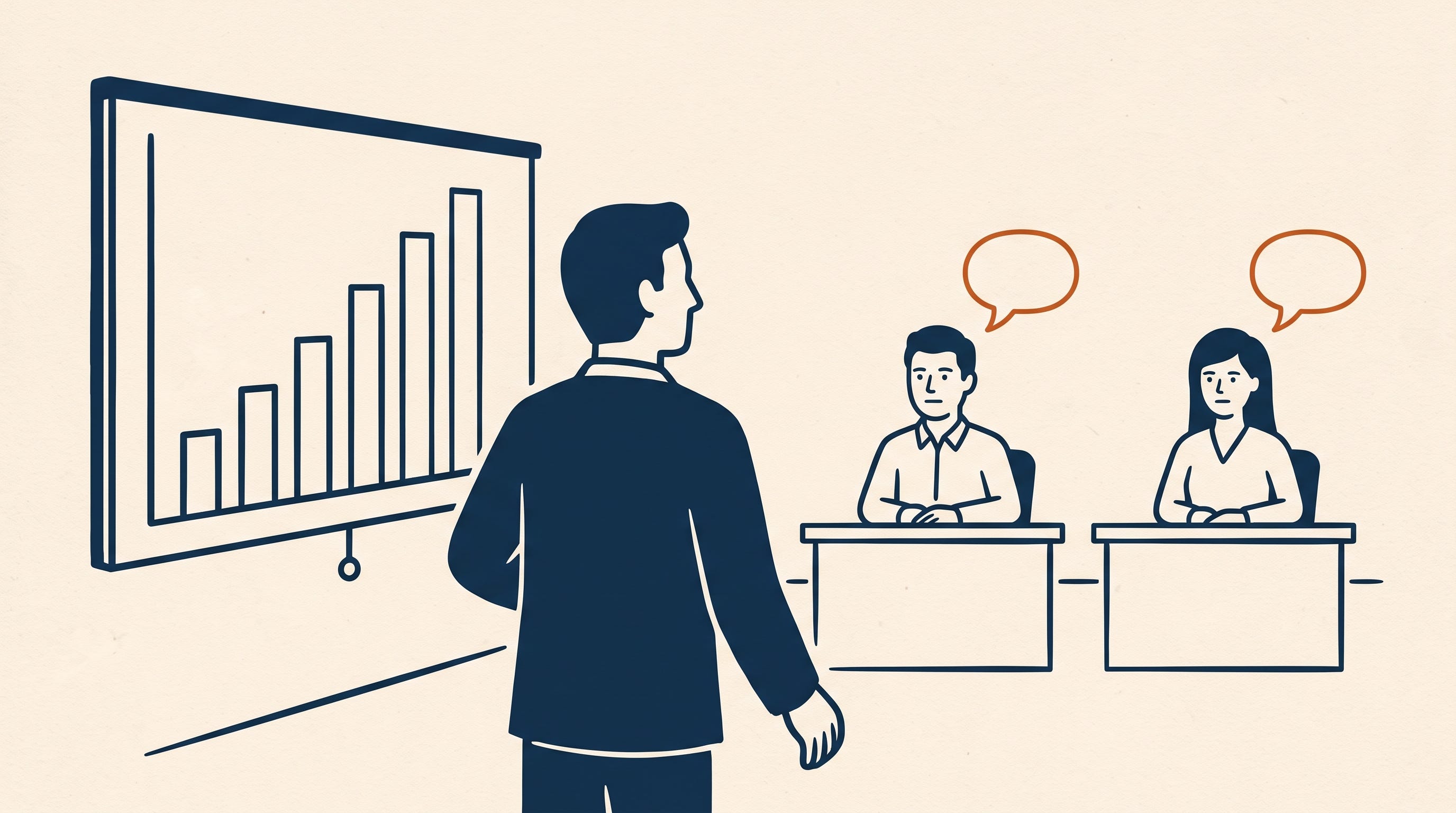
Visier surveyed 1,000 U.S. full-time employees. Forty-eight percent have exaggerated their AI use or expertise to colleagues or leadership. Forty-five percent feel pressure to use AI even when they are not confident. Only 28% believe leaders fully understand how people actually use the tools.
When an organization measures visible fluency, people learn to perform it. Anyone who will fake tool use to stay safe will also fake confidence, hide friction, and sand the edges off a warning. You do not lack telemetry. You have a pipeline, and it has already edited what reaches you.
The Decision Tension
Radical Candor’s survey of 600 U.S. employees shows both ends of that pipeline. Among executives, 45.8% name a lack of honest feedback as their top concern. Among individual contributors, 61.3% often watch people stay silent when they disagree. Executives estimate the silence at 48%. Managers and HR put it at 63% and 67%.
Leaders are asking for the map. The people holding it have learned that handing it over is a career event.
So every warning reaches you carrying two things: what is being said, and who is saying it. Both are real inputs. A messenger’s track record is evidence. So is the content of a warning from someone you find difficult. This week’s tension is Signal vs. Source.
The Cognitive Insight
Researchers call it shooting the messenger. Across eleven experiments, Leslie John, Hayley Blunden, and Heidi Liu found that people dislike innocent bearers of bad news, even when the news came from a random draw the messenger had no hand in. The dislike lands on the messenger specifically, not on bystanders, and it is distinct from simply disagreeing with the content.
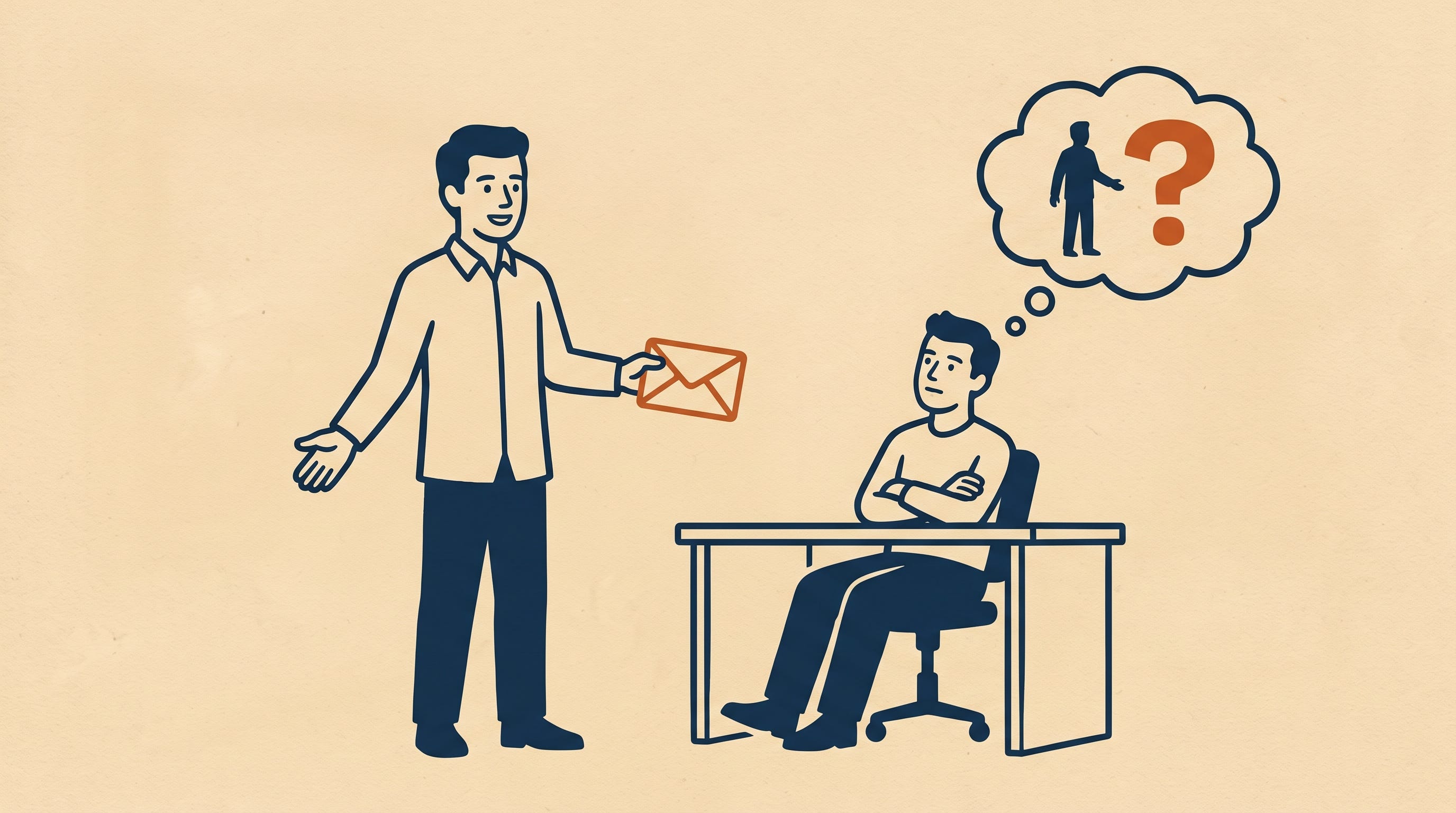
The mechanism is sense-making. Bad news creates a need to explain why this happened, and the nearest explanation is the person standing in front of you. So the mind supplies a motive. The messenger becomes negative, political, not a team player. When the messenger’s good intentions were made explicit, the dislike eased.
The information Attend needs most costs its carrier the most.
Leadership Reflection
Attention isn’t what you look at. It’s who you believe.
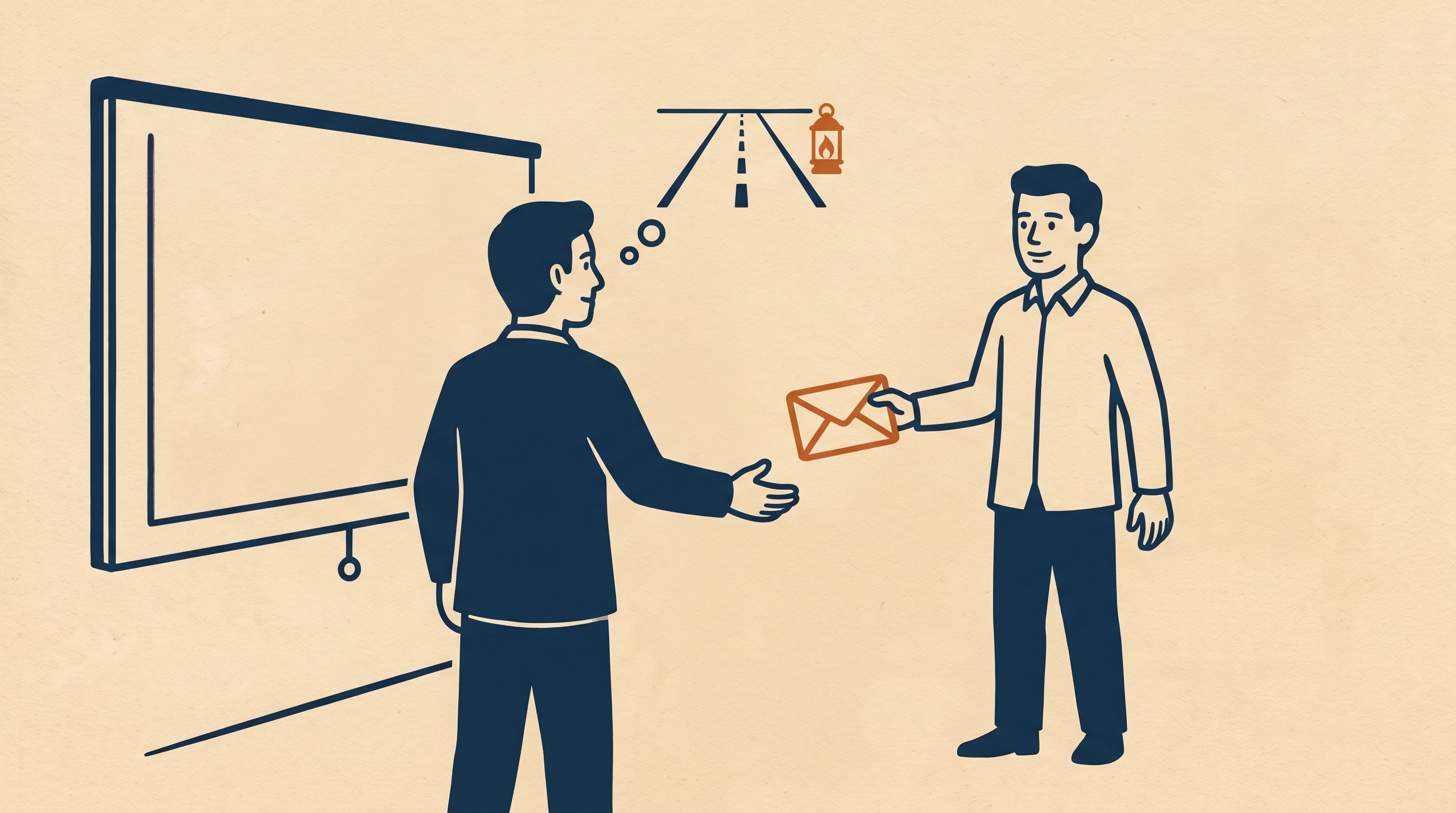
You do not lack signals. You have a filter that decides which messengers count. Pace without Attend is a brake with no dashboard. Attend without this discipline is a dashboard reading the performance.
The practical move is to separate the act of bringing news from the verdict on the news. Credit the carrier first. Judge the content second. When the motive is visible, the mind has less room to invent a villain, and the next person has less reason to stay quiet.
I put a busy-week version, the Attention Routine, in a companion post. Five moves, one of which survives even a collapsed week.

Reader Question
Whose bad news have you been hearing as tone?
The Research Underneath
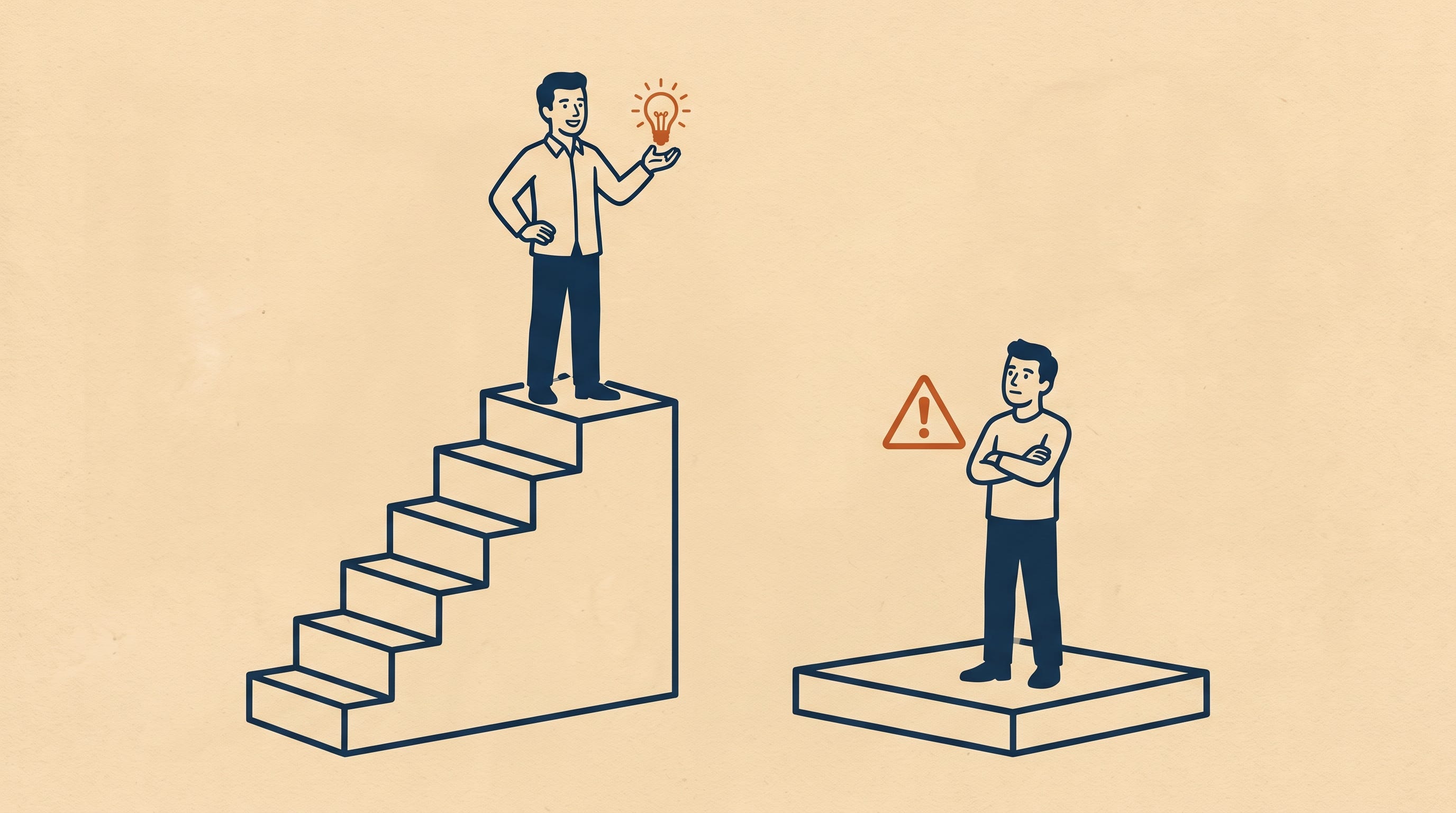
The effect has a status-side companion, and it explains where the silence starts. McClean, Martin, Emich, and Woodruff (2018) compared two forms of speaking up: promotive voice, which proposes improvements, and prohibitive voice, which names problems. Across a field study and an experiment, promotive voice raised peer-rated status and, through status, leader emergence. Prohibitive voice did not. The gain was also uneven. Men who offered ideas benefited most, compared both with men who named problems and with women who offered the same ideas. Ideas climb. Warnings stick to the person who carried them.
On NPR’s Code Switch, Jamelle Bouie observed that some people get read as more radical than their actual positions. Organizations run the same sorting error: some messengers get heard as negative no matter what they report.
Sign-off
Next Tuesday, the third letter. C is for Cost, and it asks who pays for the speed.
Further Reading
Books
Edmondson, A. C. (2019). The fearless organization: Creating psychological safety in the workplace for learning, innovation, and growth. Wiley.
Scott, K. (2017). Radical candor: Be a kick-ass boss without losing your humanity. St. Martin’s Press.
Shorter Reads
John, L. K., Blunden, H., & Liu, H. (2019). Shooting the messenger. Journal of Experimental Psychology: General, 148(4), 644–666. https://doi.org/10.1037/xge0000586
McClean, E. J., Martin, S. R., Emich, K. J., & Woodruff, T. (2018). The social consequences of voice: An examination of voice type and gender on status and subsequent leader emergence. Academy of Management Journal, 61(5), 1869–1891. https://doi.org/10.5465/amj.2016.0148
Theory Meets Tuesday is the weekly edition from Unified Purpose. Smarter leadership for the real world. Replies are read.