


Issue 027 · November 3, 2026
The Decision Moment
We have spent recent weeks on pace. This week, the question turns inward.
An AI tool recommends consolidating two of your teams. The financial case looks convincing. The implementation plan is tidy. The projected gains match the target. You could approve it before lunch.
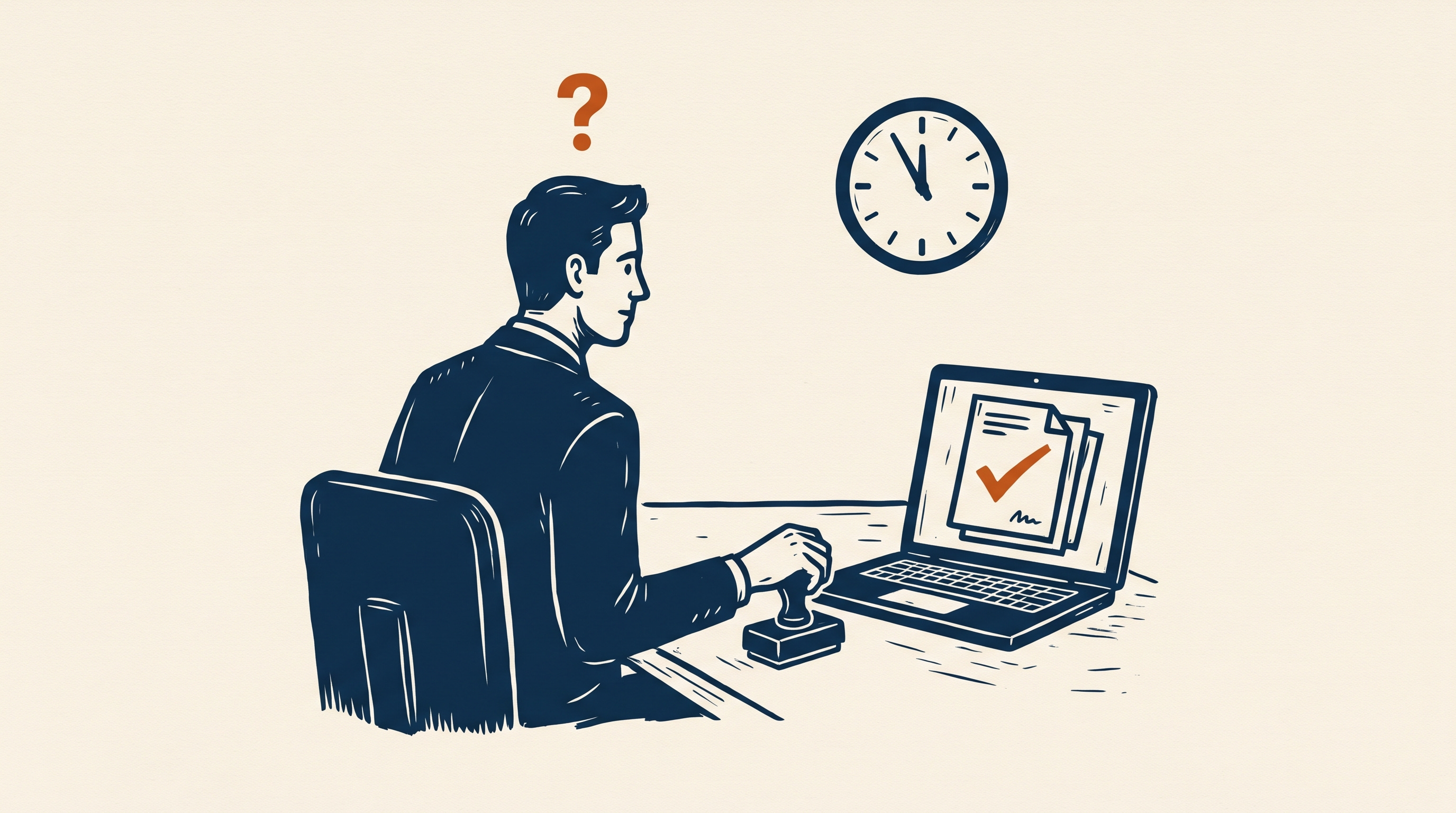
The answer arrived faster than you could develop a position of your own. So what part of your leadership did you just practice?
The Decision Tension
Remember the business-school case discussion. Sort through incomplete information. Take a position. Defend it. Hear someone explain what you missed. The answer mattered. So did the work of getting there.
AI lets you skip that work and still hold a polished recommendation. But the recommendation does not settle the leadership questions. Does it account for the informal coordination keeping those teams effective? Who absorbs the transition work? Are the gains worth the disruption, and who gets to make that call?
An answer can be analytically persuasive and still leave the most consequential questions open. That gap is this week’s tension: Answer vs. Judgment. An answer tells you where the evidence points. Judgment decides what deserves action, and owns the consequences.
The Cognitive Insight
“Gut” is shorthand for experience that has become instinctive. But intuition is pattern recognition, and recognition is only as good as the conditions it was learned under.
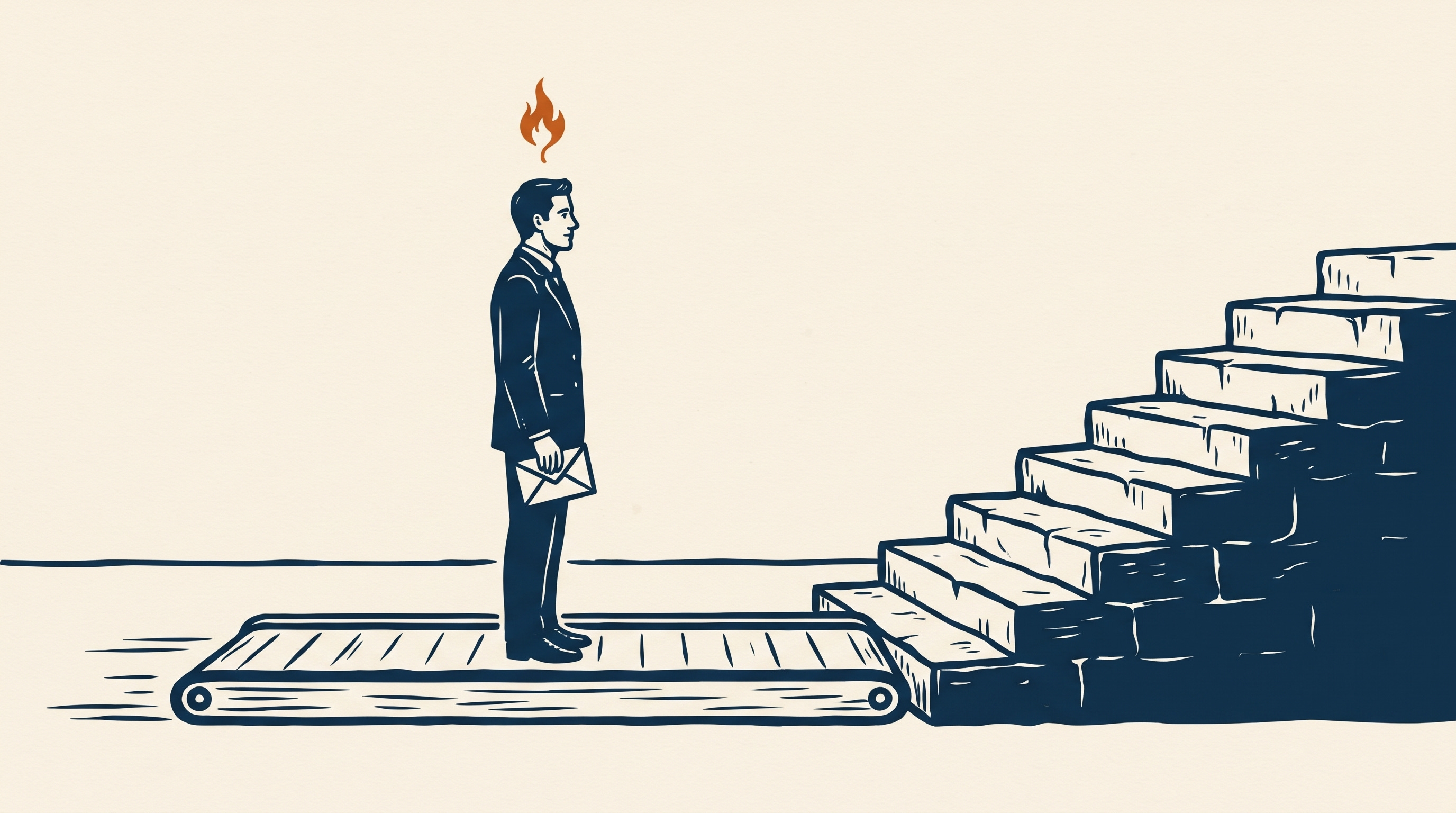
Daniel Kahneman and Gary Klein mapped when professional intuition deserves trust. They found two conditions: an environment regular enough to have learnable patterns, and enough practice with clear feedback to learn them. Confidence is not on the list. How sure you feel says little about whether you are right.
Here is where AI enters. Every recommendation you approve without first forming a position is a repetition you did not take. Every outcome you never revisit is feedback you did not collect. The tool does not weaken your gut directly. It removes the conditions your gut needs to develop.
Your gut deserves a hearing. It does not deserve immunity from examination. Neither does the recommendation.
Leadership Reflection
Judgment starts before the prompt. The first leadership decision is what you allow the system to treat as a good answer. “Reduce operating costs” and “reduce operating costs without overloading the remaining team” are different instructions.
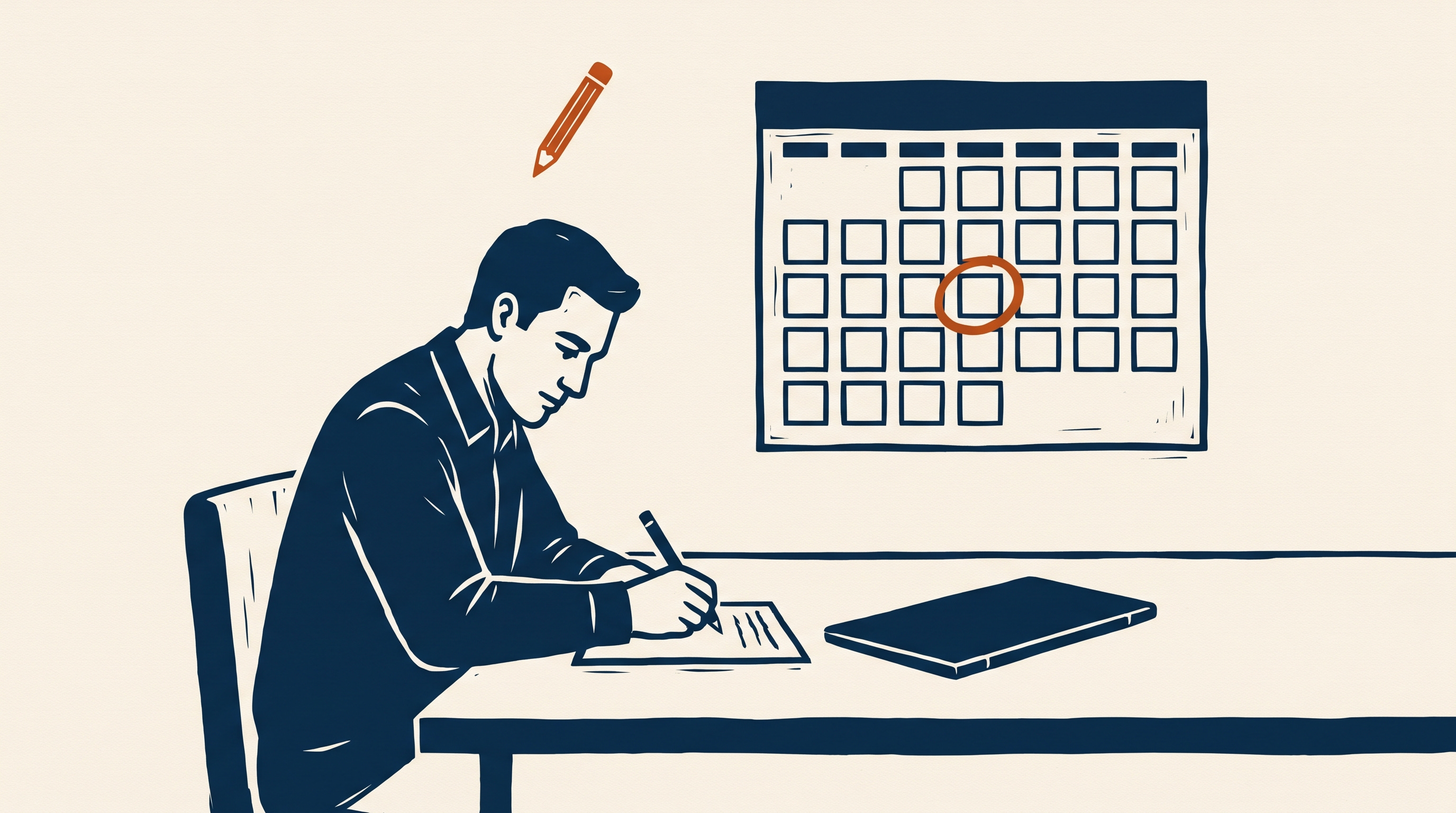
This Tuesday, protect one judgment-building repetition:
Take a position first. Before opening the tool, write your provisional answer, your reasoning, and what you are uncertain about.
Ask for challenge, not reassurance. Have AI surface alternatives, missing evidence, and the strongest case against you.
Own the final explanation. State what you chose, what you rejected, and why, without pointing back to the tool.
Schedule the feedback. Set a date to revisit the outcome. Name the evidence that would change your mind.
This is a proposed practice, not a proven intervention. It restores the two conditions Kahneman and Klein identified: a repetition you actually take, and feedback you actually collect.
A human signature is not the same thing as human judgment.
Reader Question
Before your next consequential AI-assisted decision: what judgment are you contributing, and how will you know whether it was good?
The Research Underneath
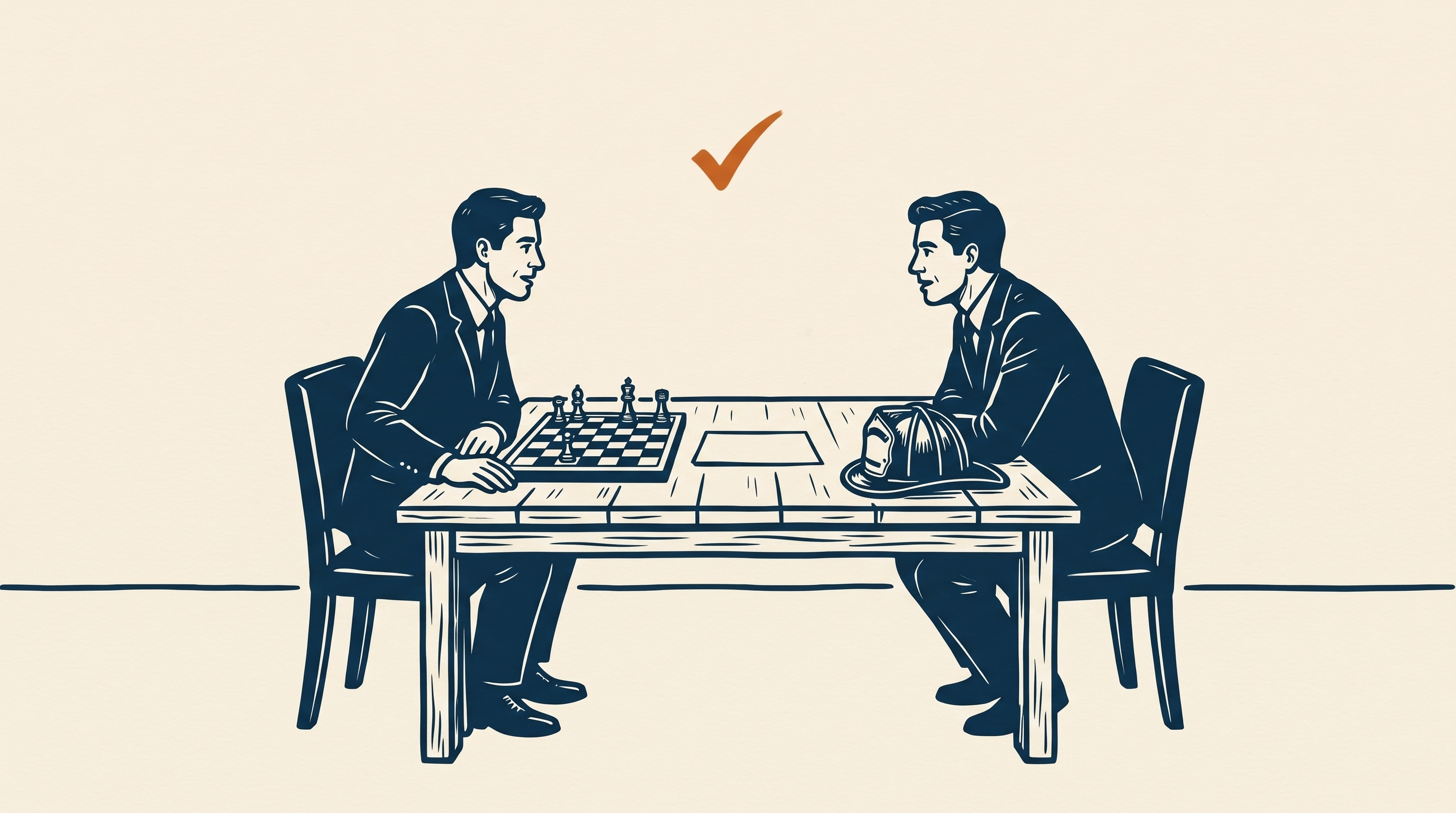
The concept comes from a 2009 adversarial collaboration. Kahneman represented heuristics and biases, which catalogs where expert judgment fails. Klein represented naturalistic decision making, which studies experts like fireground commanders who decide well under pressure. They expected to disagree and instead converged: intuitive skill develops only in environments where cues reliably predict outcomes, and only with adequate opportunity to learn those cues. Subjective confidence is not a reliable indicator of accuracy, so no internal signal separates skilled intuition from a confident guess.
Automation bias sits in the background. The tendency to defer to automated recommendations appears in novices and experts alike (Parasuraman & Manzey, 2010), and NIST notes that putting a person in the review loop does not automatically prevent it. A Microsoft Research survey of 319 knowledge workers found that higher confidence in generative AI went with less critical thinking, and higher self-confidence with more. The findings are self-reported and correlational, but they show where the effort goes when the tool is trusted.
Sign-off
Pace is not only how quickly we implement a decision. It is whether we leave room to understand it, challenge it, and learn from what follows.
Further Reading
Books
Kahneman, D. (2011). Thinking, fast and slow. Farrar, Straus and Giroux.
Klein, G. (1998). Sources of power: How people make decisions. MIT Press.
Shorter Reads
Kahneman, D., & Klein, G. (2009). Conditions for intuitive expertise: A failure to disagree. American Psychologist, 64(6), 515–526. https://doi.org/10.1037/a0016755
Parasuraman, R., & Manzey, D. H. (2010). Complacency and bias in human use of automation: An attentional integration. Human Factors, 52(3), 381–410. https://doi.org/10.1177/0018720810376055
Lee, H.-P., Sarkar, A., Tankelevitch, L., Drosos, I., Rintel, S., Banks, R., & Wilson, N. (2025). The impact of generative AI on critical thinking: Self-reported reductions in cognitive effort and confidence effects from a survey of knowledge workers. In Proceedings of the 2025 CHI Conference on Human Factors in Computing Systems (Article 1121). Association for Computing Machinery. https://doi.org/10.1145/3706598.3713778
National Institute of Standards and Technology. (2024). Artificial intelligence risk management framework: Generative artificial intelligence profile (NIST AI 600-1). U.S. Department of Commerce. https://doi.org/10.6028/NIST.AI.600-1
Theory Meets Tuesday is the weekly edition from Unified Purpose. Smarter leadership for the real world. Replies are read.
A human signature is not the same thing as human judgment is a line I will be stealing in my head all week. On factory floors we learned judgment by making the call and living with what happened next, feedback included. If the answer shows up before lunch, you skip the reps that made you a leader. What is one decision you still refuse to open the tool for first?